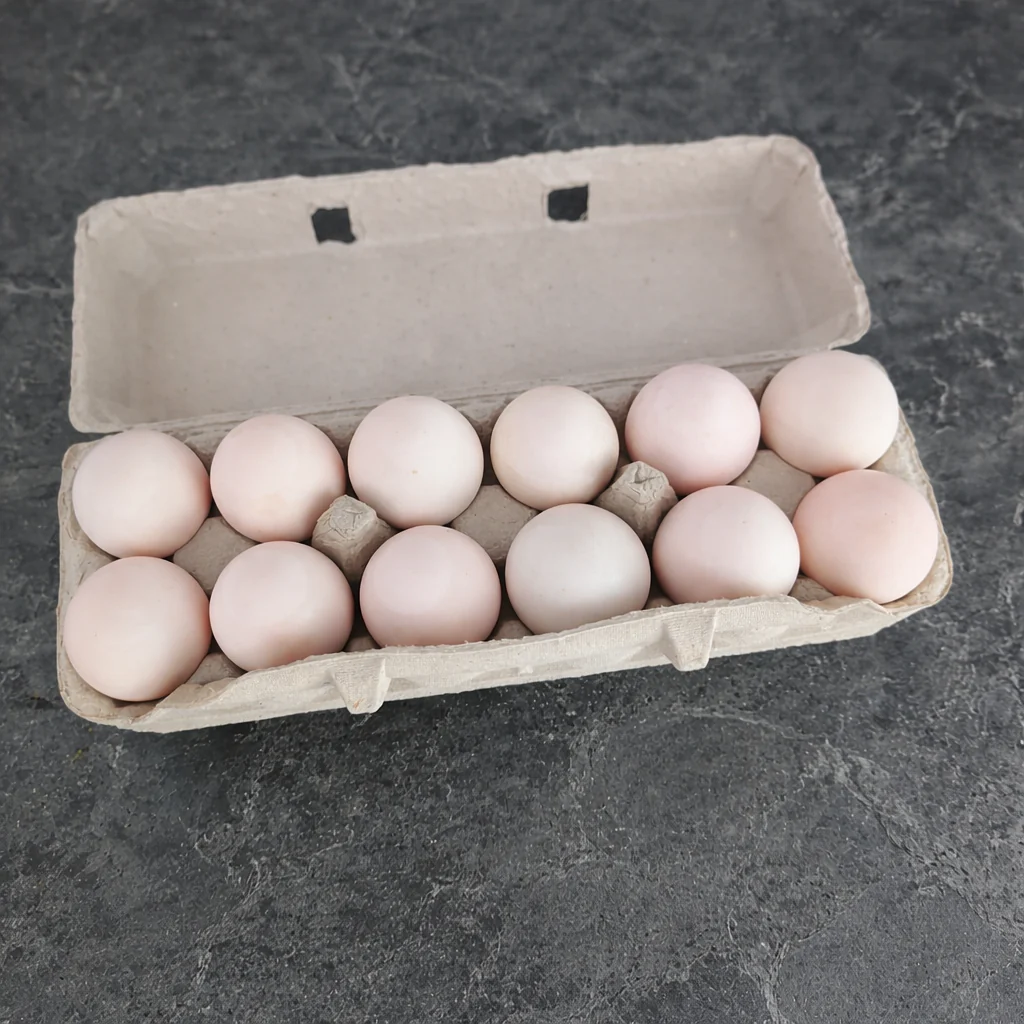
Dozen Florida-Raised Duck Eggs | All Natural
Rich, silky, and unmistakably special—duck eggs are the “chef move” when you want next-level brunch, baking, or pasta night. These are farm-fresh duck eggs sourced from Lake Meadow Naturals in Ocoee, Florida, a producer trusted by restaurants and hotels for consistent quality and real farm standards.
These hens are grown the right way and all come from ONE farm. That's the beautiful thing. They are raised happy, fed an all-vegetarian high quality diet. We never use antibiotics, steroids or animal bi-products.
Why Duck Eggs
Duck eggs are typically larger than chicken eggs, with a fuller mouthfeel and a deeper, more luxurious richness. They’re a favorite for soft scrambles, custards, and anywhere the egg is the star—think carbonara, ramen, and silky sauces. If you love a golden yolk moment, this is your upgrade.
About the Farm: Lake Meadow Naturals (Ocoee, FL)
Lake Meadow Naturals is led by farmer Dale Volkert, whose passion began with a 4-H flock and grew into a Central Florida farm built around humane, clean egg production. As demand grew, chefs and restaurants across Florida began adding Lake Meadow’s chicken and duck eggs to their menus—helping the farm expand while staying rooted in transparency and education. Today, the farm spans over 100 acres and welcomes visitors through a working farm market and guided tours (by availability).
Nutrition Notes (Real Benefits, No Hype)
Duck eggs are naturally nutrient-dense, offering high-quality protein and meaningful micronutrients. Compared to chicken eggs, duck eggs are often higher in nutrients like vitamin B12 and iron (exact values vary by diet and egg size). If you’re watching cholesterol, note that duck eggs can also be higher—so moderation is key depending on your needs.
Allergy Note
Duck eggs have different proteins than chicken eggs, but cross-reactivity can still happen. If you have a known egg allergy, do not assume duck eggs are a “safe swap”—check with your medical provider or allergist first.
Freshness & Storage
Keep refrigerated for best quality. Duck eggs are known for having thicker shells, which can help them hold freshness well when properly handled and stored.
Original: $21.99
-70%$21.99
$6.60Product Information
Product Information
Shipping & Returns
Shipping & Returns
Description
Rich, silky, and unmistakably special—duck eggs are the “chef move” when you want next-level brunch, baking, or pasta night. These are farm-fresh duck eggs sourced from Lake Meadow Naturals in Ocoee, Florida, a producer trusted by restaurants and hotels for consistent quality and real farm standards.
These hens are grown the right way and all come from ONE farm. That's the beautiful thing. They are raised happy, fed an all-vegetarian high quality diet. We never use antibiotics, steroids or animal bi-products.
Why Duck Eggs
Duck eggs are typically larger than chicken eggs, with a fuller mouthfeel and a deeper, more luxurious richness. They’re a favorite for soft scrambles, custards, and anywhere the egg is the star—think carbonara, ramen, and silky sauces. If you love a golden yolk moment, this is your upgrade.
About the Farm: Lake Meadow Naturals (Ocoee, FL)
Lake Meadow Naturals is led by farmer Dale Volkert, whose passion began with a 4-H flock and grew into a Central Florida farm built around humane, clean egg production. As demand grew, chefs and restaurants across Florida began adding Lake Meadow’s chicken and duck eggs to their menus—helping the farm expand while staying rooted in transparency and education. Today, the farm spans over 100 acres and welcomes visitors through a working farm market and guided tours (by availability).
Nutrition Notes (Real Benefits, No Hype)
Duck eggs are naturally nutrient-dense, offering high-quality protein and meaningful micronutrients. Compared to chicken eggs, duck eggs are often higher in nutrients like vitamin B12 and iron (exact values vary by diet and egg size). If you’re watching cholesterol, note that duck eggs can also be higher—so moderation is key depending on your needs.
Allergy Note
Duck eggs have different proteins than chicken eggs, but cross-reactivity can still happen. If you have a known egg allergy, do not assume duck eggs are a “safe swap”—check with your medical provider or allergist first.
Freshness & Storage
Keep refrigerated for best quality. Duck eggs are known for having thicker shells, which can help them hold freshness well when properly handled and stored.